

Active Noise Cancelling: How It Works and When You Need It
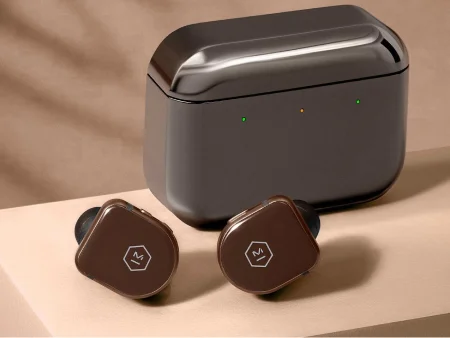
Every noise-cancelling pair has small microphones that hear the room before the sound reaches your ear. A processor inside the headphones analyses that sound and plays a wave that is its exact opposite, so the two meet and cancel each other. The result: the roar of an engine and the hum of air conditioning drop sharply, and your music or call stays clear at a lower volume.
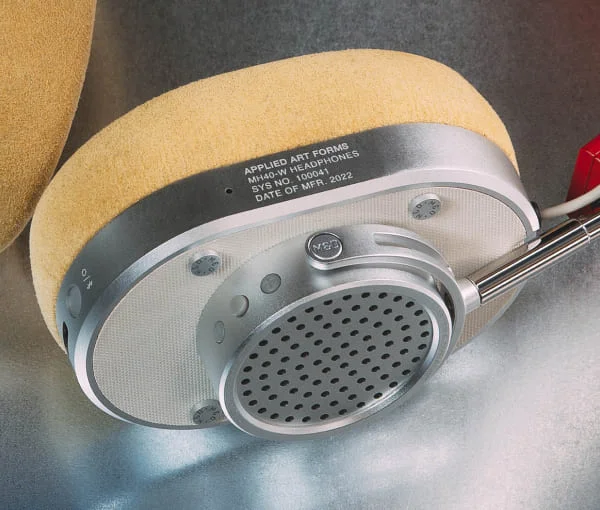
Active cancelling works best on low, steady sounds: aircraft engines, the metro, office air conditioning, road noise. Sudden, sharp sounds such as nearby voices or clattering plates are not fully removed, and that is where the ear pads come in. A leather pad that sits around the ear gives natural isolation that stops much of the higher-pitched noise.
When do you need it? If you fly often, work in an open office or commute on busy roads every day, active cancelling makes you more comfortable and lets you turn the volume down, which is kinder to your hearing over the years. If you mostly listen in a quiet home, a pair with good pads is enough, and it saves battery.
Two last tips: use ambient mode when you walk in the street or wait for a gate announcement; safety comes first. And do not turn the volume up to drown out noise: that is exactly what active cancelling is there to spare you.